What non-owner car insurance is and why it matters in South Carolina
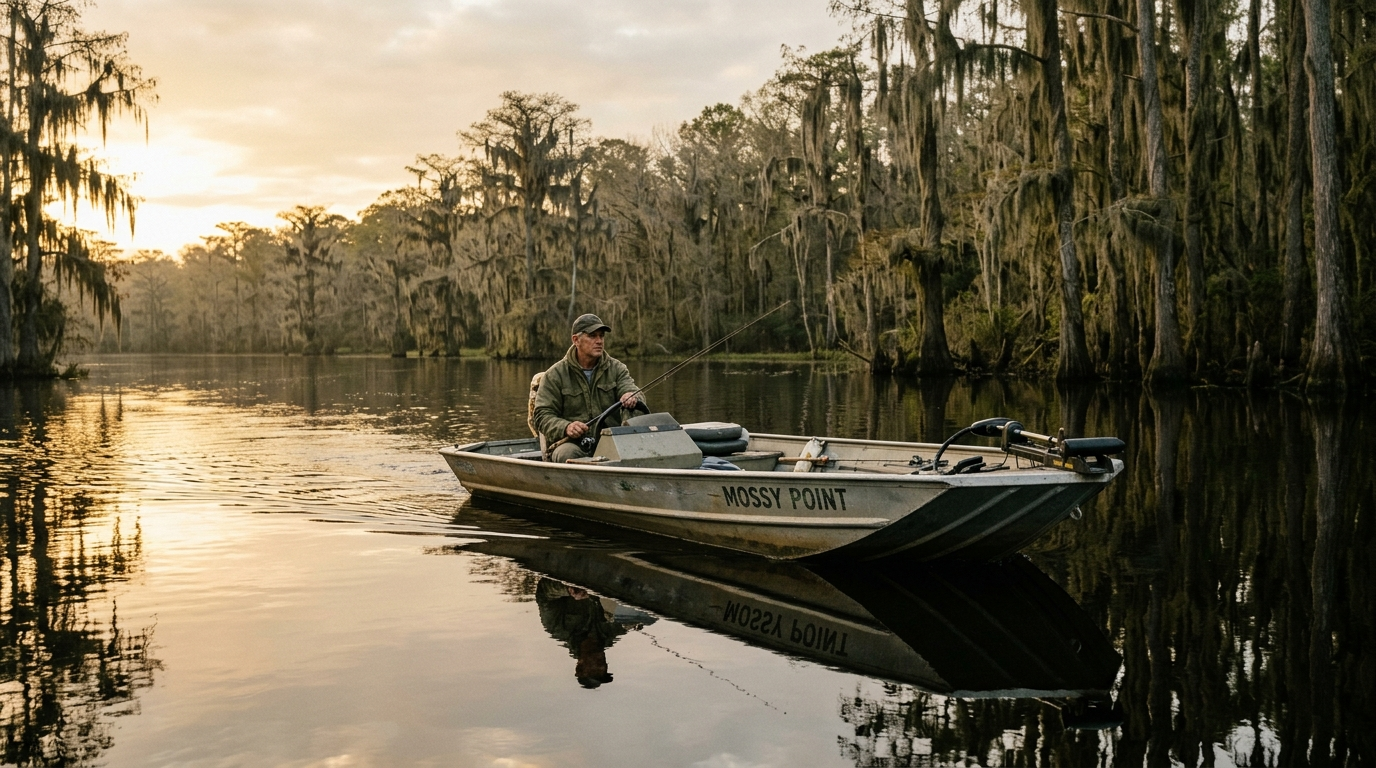
Non-owner car insurance in South Carolina is a liability policy for licensed drivers who do not own a vehicle but still need coverage when they get behind the wheel. It is not a niche product. Plenty of people in the Myrtle Beach area and across the Grand Strand find themselves in exactly this situation: they borrow a friend's car, rely on rentals, or are working to reinstate a suspended license. Without some form of liability protection, a single at-fault accident could leave them personally responsible for thousands of dollars in damages and medical bills.
South Carolina requires every driver to carry minimum liability coverage, and that requirement does not disappear because you do not own a car. A non-owner policy keeps you compliant with state law and protects your personal finances when you are driving someone else's vehicle.
Who actually needs a non-owner policy
The situation comes up more often than people expect. Below are the most common scenarios where a non-owner car insurance policy fills a real gap:
- Frequent rental car drivers. If you rent vehicles regularly for business travel or vacations and do not want to pay the daily insurance add-on at the counter, a non-owner policy provides underlying liability coverage that typically satisfies rental company requirements.
- Regular borrowers of a friend's or family member's car. The owner's policy covers the vehicle first, but if damages exceed those limits, you could be personally exposed. A non-owner policy adds a layer of protection behind the owner's coverage.
- People between vehicles. If you sold your car and are waiting a few months before buying another, letting your auto policy lapse entirely is a mistake. A coverage gap can raise your rates significantly when you apply for a new policy. A non-owner policy keeps your insurance history continuous.
- Drivers reinstating a suspended license. South Carolina's Department of Motor Vehicles may require proof of financial responsibility before restoring driving privileges. A non-owner policy paired with an SR-22 filing satisfies that requirement without forcing you to purchase a vehicle first.
- Car-free residents who occasionally drive. Some people in walkable Grand Strand communities go months without needing a car, then need one for a specific trip or errand. Non-owner coverage handles those occasional moments without complication.
How South Carolina's minimum liability requirements apply
South Carolina uses a 25/50/25 minimum liability standard: $25,000 per person for bodily injury , $50,000 per accident for bodily injury , and $25,000 for property damage . These are the floor, not the recommendation. A single rear-end collision with medical bills and vehicle damage can easily push past the 25/50/25 limits, especially given the volume of traffic on Highway 17, Highway 501, and the other busy corridors through Horry and Georgetown counties.
South Carolina also requires uninsured motorist coverage equal to at least the bodily injury minimums unless you explicitly reject it in writing. That requirement extends to non-owner policies. The state has one of the higher rates of uninsured drivers in the Southeast, so keeping that uninsured motorist component is generally worth the cost.
For a closer look at how state minimums work and where they fall short, the post on South Carolina minimum auto insurance requirements walks through the limits in plain language.
What a non-owner policy covers and what it does not
Understanding the boundaries of this coverage avoids surprises after an accident.
What it covers
- Bodily injury liability. Pays for injuries to other people when you are at fault in an accident while driving a vehicle you do not own.
- Property damage liability. Covers damage you cause to other vehicles, structures, or property.
- Uninsured/underinsured motorist coverage. Protects you if the other driver carries little or no insurance.
- Medical payments (MedPay). Some non-owner policies allow you to add MedPay for your own injury costs, though this varies by carrier.
What it does not cover
- Physical damage to the vehicle you are driving. There is no collision or comprehensive coverage on a non-owner policy. Damage to the borrowed or rented vehicle falls to the owner's policy or a separate damage waiver.
- Vehicles you have regular access to. If a car sits in your driveway and you drive it daily, insurers will typically deny a non-owner claim on the grounds that you have regular use. That vehicle needs to be rated on a standard policy.
- Commercial or rideshare driving. Driving for Uber, Lyft, or delivering goods requires commercial-grade coverage. A non-owner personal policy will not respond to rideshare incidents.
- Any vehicle you own or co-own. The policy is specifically for drivers who genuinely do not own a vehicle.
Non-owner car insurance with SR-22 in South Carolina
This combination comes up constantly in South Carolina. If your license was suspended for a DUI, driving uninsured, or accumulating too many points, the SCDMV will require you to file an SR-22 before reinstating your license. An SR-22 is not a separate insurance policy. It is a certificate that your insurance company files with the state, verifying that you carry at least the minimum required liability coverage.
Many people who need an SR-22 do not currently own a vehicle. They lost it, they are relying on others for rides, or they are waiting to get back on their feet financially. A non-owner SR-22 policy resolves this cleanly. You purchase the non-owner liability policy, the carrier files the SR-22 with the SCDMV on your behalf, and your license reinstatement process can move forward.
South Carolina typically requires drivers to maintain the SR-22 filing for three years from the date of reinstatement. If the policy lapses during that period, the insurer is required to notify the SCDMV, and your license can be suspended again. Continuous coverage throughout that window is not optional. For more detail on the filing process and costs, the post on SR-22 insurance in South Carolina covers the full picture.
How much does non-owner car insurance cost in South Carolina
Non-owner policies are generally among the more affordable personal auto products available. Most drivers in South Carolina can expect to pay somewhere in the range of $200 to $500 per year for a basic non-owner liability policy, though that range shifts based on several factors.
What affects the price:
- Your driving record. A clean record keeps premiums low. A DUI or multiple at-fault accidents will push costs higher, even on a non-owner policy.
- Whether an SR-22 is required. The SR-22 filing itself is a small administrative fee, typically $15 to $35 , but the underlying risk that triggered the SR-22 requirement raises your base rate.
- Coverage limits selected. Choosing limits above the state minimum adds a modest cost but meaningfully increases your protection, and is almost always the better choice.
- Your age and location. Younger drivers typically pay more. Coastal zip codes in Horry County and Georgetown County can also see slightly higher rates because of traffic density and claim frequency in tourist-heavy areas.
- The carrier. Non-owner rates vary more across carriers than most people expect. Shopping multiple companies is the only reliable way to find a fair price.
Because rates differ significantly from one insurer to another, working with an independent agency that can compare quotes from several carriers at once usually surfaces savings that going direct to a single company would not.
Common mistakes people make with non-owner coverage
A few misunderstandings come up regularly, and they can cause real problems:
- Assuming the car owner's insurance is enough. It usually is, until it is not. If the owner carries minimum limits and you cause a serious accident, their coverage maxes out quickly and you are personally liable for the remainder.
- Letting coverage lapse after a reinstatement. With SR-22 filings especially, even a brief lapse triggers a notification to the SCDMV and restarts the penalty clock.
- Buying a non-owner policy when you actually have regular vehicle access. Carriers can and do deny claims if they determine you had consistent access to a vehicle that should have been rated on a standard policy.
- Skipping uninsured motorist coverage. Rejecting UM coverage to save a few dollars per month is a gamble that rarely pays off on South Carolina roads, where uninsured drivers are common.
- Not disclosing an SR-22 requirement upfront. Some carriers do not write non-owner SR-22 policies. It is better to know that at the quote stage than after you have already applied.
For a broader look at coverage gaps that South Carolina drivers overlook, the post on common car insurance mistakes to avoid in South Carolina has useful context.
Get the right coverage without overpaying
Non-owner car insurance is a straightforward product, but getting the right limits at the right price takes some comparison work. At L. W. Short Insurance Agency , we are an independent agency serving drivers across Myrtle Beach, Conway, North Myrtle Beach, Surfside Beach, Murrells Inlet, Pawleys Island, and the surrounding Grand Strand communities. That independence means we shop your coverage across multiple carriers rather than steering you toward a single company's product.
Whether you need a basic non-owner policy to stay protected while between vehicles or you need a non-owner SR-22 filing to get your license reinstated with the SCDMV, we can walk you through the options and get you covered quickly. You can also visit our named non-owner auto page for more on how this coverage works.
Ready to get started? Contact L. W. Short Insurance Agency or call us at (843) 357-7493 to get a quote. We will compare rates, make sure your coverage meets South Carolina's requirements, and make the process simple from start to finish.