What vacant home insurance in South Carolina actually covers (and what it does not)
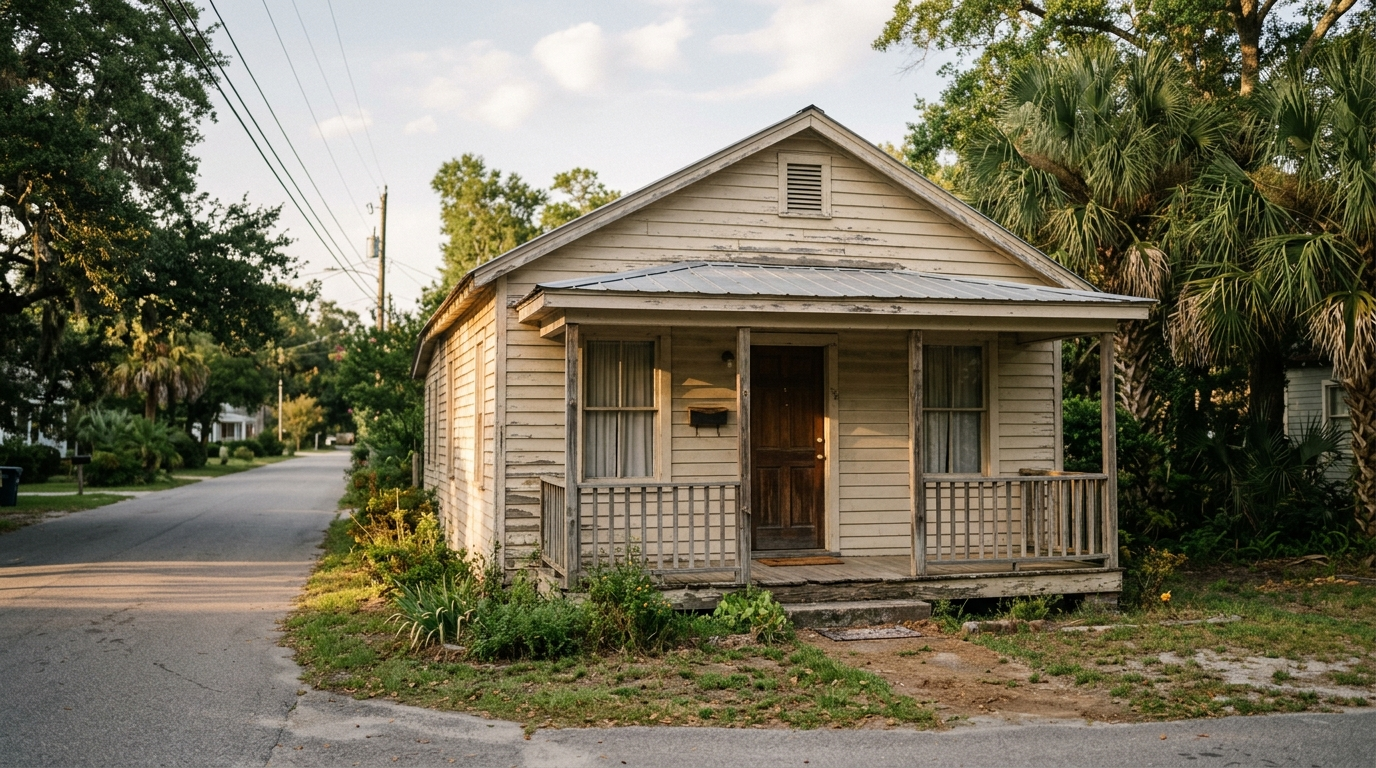
If you own a home that sits empty for more than 30 to 60 days, your standard homeowners policy almost certainly has a problem with that. Vacant home insurance in South Carolina exists to fill the gap your regular policy leaves behind the moment a property is considered unoccupied. Whether you are between tenants, renovating a home you inherited, waiting to sell, or spending an extended stretch away from a secondary property on the coast, the exposure is real and the financial consequences of finding out too late are serious.
South Carolina's coastal geography makes this issue especially pointed. A home sitting empty during hurricane season near Myrtle Beach, Pawleys Island, or Murrells Inlet faces wind, flooding, vandalism, and slow-leak water damage with no one around to catch problems early. Standard carriers know this, which is why most homeowners policies include a vacancy clause that can void or sharply limit coverage after a set period of non-occupancy.
Why a standard homeowners policy falls short
Most South Carolina homeowners policies define a home as "vacant" if it has been unoccupied and mostly unfurnished for 30 to 60 consecutive days. Some policies use 30 days; others use 60. Once that threshold is crossed, the policy often excludes or severely limits coverage for some of the most common claims vacant homes generate.
- Vandalism and malicious mischief: These perils are frequently excluded the moment a home qualifies as vacant. Broken windows, graffiti, and interior damage from trespassers become entirely out-of-pocket expenses.
- Water damage from burst pipes or slow leaks: With no one home to notice a dripping supply line or a failing water heater, a small leak can cause tens of thousands of dollars in damage before anyone finds it. Many policies exclude this under vacancy clauses.
- Glass breakage: A low-cost claim under a normal policy, often excluded once the home is vacant.
- Liability: If someone trespasses and is injured on your empty property, your standard policy's liability protection may not respond if the home has been vacant long enough to trigger the exclusion.
The vacancy clause does not always void the entire policy, but the specific exclusions it triggers tend to line up with the claims vacant properties actually generate. That is not a coincidence.
How South Carolina's coastal climate raises the stakes
Owning a vacant property anywhere carries risk, but owning one along the Grand Strand or in the Lowcountry raises that risk considerably. Salt air, humidity, tropical storms, and occasional hard freezes create a threat profile that is genuinely different from inland states.
Hurricane and wind damage is the most obvious concern. A named storm does not care whether your house is occupied. Roof damage, siding failure, broken windows, and flying debris claims happen to vacant homes just as they do to occupied ones. If your standard policy has voided wind coverage because of a vacancy clause, you bear that loss alone. For more on how storm coverage works in this region, see our post on hurricane season coverage in South Carolina.
Flooding is a separate issue entirely. Homeowners policies do not cover flood damage whether the home is occupied or not. If your vacant property sits in a flood zone (and many Horry County and Georgetown County properties do), you need a separate flood policy. National Flood Insurance Program (NFIP) policies are available to vacant properties, as are some private flood carriers. Do not assume the flood policy you had when you were living there remains in force if the home has changed status.
Mold is a slow, expensive problem along the South Carolina coast. High humidity combined with a closed-up home and no climate control creates ideal mold conditions. Once mold is established, remediation can run from a few thousand dollars to well over $20,000 depending on how far it has spread. Many standard policies already limit mold coverage; a vacant-home policy may handle it differently, so read the exclusions carefully.
What a vacant property policy actually looks like
A standalone vacant property insurance policy is designed from the ground up for unoccupied homes. Below is what these policies typically include and where they differ from a standard homeowners policy.
Coverage structure
Most vacant home policies are written on a named-perils or broad named-perils basis rather than the open-perils approach common in standard homeowners coverage. That means you are covered for the specific perils listed in the policy, not everything except what is excluded. Covered perils usually include fire, lightning, windstorm, hail, explosion, riot, aircraft and vehicle damage, and smoke. Vandalism coverage can often be added back as an endorsement, which is worth doing.
Some carriers offer vacant home coverage as an endorsement on an existing homeowners policy rather than a separate policy. This option works if your carrier offers it and if the endorsement restores the key protections the vacancy clause removed. Not all endorsements are equal, so compare what is actually covered.
Pricing
Expect to pay meaningfully more per $1,000 of coverage for a vacant home policy than you would for a standard homeowners policy. Rates vary by carrier, property location, construction type, and security features, but a rough ballpark for a modest South Carolina property is $1,500 to $3,000 or more per year . Coastal properties and older homes can push that higher. The cost feels steep until you compare it against a single uninsured vandalism or water damage claim.
Policy terms
Many vacant home policies are written for shorter terms: three months, six months, or one year. Some carriers will renew; others treat it as a temporary product designed to bridge a gap until the home is occupied or sold. If you expect the vacancy to continue, clarify renewal options before you bind coverage.
Conditions that affect eligibility
Carriers will ask about the property's condition, security, and how often it is inspected. A home that is structurally sound, has working locks, and is checked in person every two to four weeks is a much better risk than one that has sat locked and unvisited for months. Many policies require periodic inspections as a condition of coverage, often once every 30 days. Document those visits.
Short-term rentals, rental properties, and vacant homes: understanding the difference
South Carolina's tourism economy means a lot of homes are used in ways that blur these categories. A few distinctions worth knowing:
- Vacant vs. unoccupied: Some policies treat these differently. "Unoccupied" typically means furnished and ready to use but currently empty. "Vacant" usually means unfurnished and not in regular use. A furnished beach house between rental seasons may be "unoccupied" rather than "vacant" in your policy's language, which can affect which exclusions apply.
- Short-term rental properties: If you rent your home through platforms like Airbnb or VRBO, even occasionally, a standard homeowners policy is usually inadequate whether or not the home is vacant between bookings. A short-term rental policy addresses the liability and property coverage gaps that come with hosting paying guests.
- Long-term rental properties: If you rent to tenants on a lease, a landlord or rental dwelling policy is the right product, not a homeowners policy and not a vacant home policy (except during vacancy between tenants).
The period between tenants is one of the most common times a standard landlord policy creates a gap. Many landlord policies include their own vacancy provisions that limit or exclude coverage after 30 to 60 days without a tenant. If your property routinely sits empty for a month or two between leases, talk to your agent about how that is handled.
Practical steps to protect a vacant home in South Carolina
Insurance is one layer of protection. The other is making the property a harder target and a less risky one. Carriers respond to risk management with better rates and fewer claim denials.
- Install monitored security: A central station alarm that detects intrusion, smoke, and water is one of the most effective things you can do. It deters vandalism and catches problems early. Many carriers offer premium credits for monitored systems.
- Shut off the water supply: If the home will be empty for an extended period and does not need water running for any reason, turning off the main supply and draining pipes eliminates one of the most common and expensive vacant-home claims.
- Maintain climate control: South Carolina summers and winters both create problems when the HVAC is completely off. Keep the thermostat set to a reasonable range (no lower than 55 degrees in winter, no higher than 85 in summer) to limit mold growth and protect pipes.
- Keep up appearances: A maintained lawn and mail that is not piling up signals that someone is paying attention. This reduces the property's appeal to vandals and squatters.
- Document condition with photos: Before the home becomes vacant and at each inspection visit, photograph the interior and exterior. This documentation is valuable if you ever need to file a claim and someone questions pre-existing damage.
- Notify your insurance carrier promptly: Do not wait. As soon as you know the home will be empty past your policy's vacancy threshold, call your agent. Filing a claim on a policy invalidated by a vacancy clause you did not address is a painful and expensive lesson.
Flood coverage for vacant properties: a separate conversation
Flood damage is not covered by any homeowners or vacant home policy. It requires a separate flood insurance policy. This matters in South Carolina, where FEMA flood maps designate large portions of Horry County and Georgetown County as Special Flood Hazard Areas (SFHAs).
NFIP policies are available for non-primary and vacant properties, though coverage limits apply ($250,000 for building coverage under the standard program). Private flood carriers sometimes offer higher limits and broader coverage terms, and they are worth comparing for higher-value properties. The flood insurance essentials post on our site covers the basics of how flood coverage works in this state.
One nuance worth noting: if you have an existing NFIP flood policy and the home transitions from primary residence to vacant, the policy does not automatically cancel. But if coverage lapses and you need to reinstate it, the standard 30-day waiting period applies before coverage takes effect. Do not let a flood policy lapse on a vacant coastal property and then try to reinstate it when a storm is bearing down.
Get the right coverage for your vacant South Carolina property
Vacant home insurance in South Carolina is a specialized product, and the right answer depends on your specific property, how long it will be empty, and what risks it faces. As an independent agency, L. W. Short Insurance Agency shops multiple carriers to find coverage that fits your situation rather than steering you toward a single option. Whether you have a home between tenants in Conway, an inherited property in Georgetown, or a beach house sitting empty off-season in Pawleys Island or Surfside Beach, we can help you understand your exposure and put the right policy in place.
Call us at (843) 357-7493 or reach out through our contact page to get started. The conversation is free. The gap in coverage is not.