What makes mobile home insurance in South Carolina different
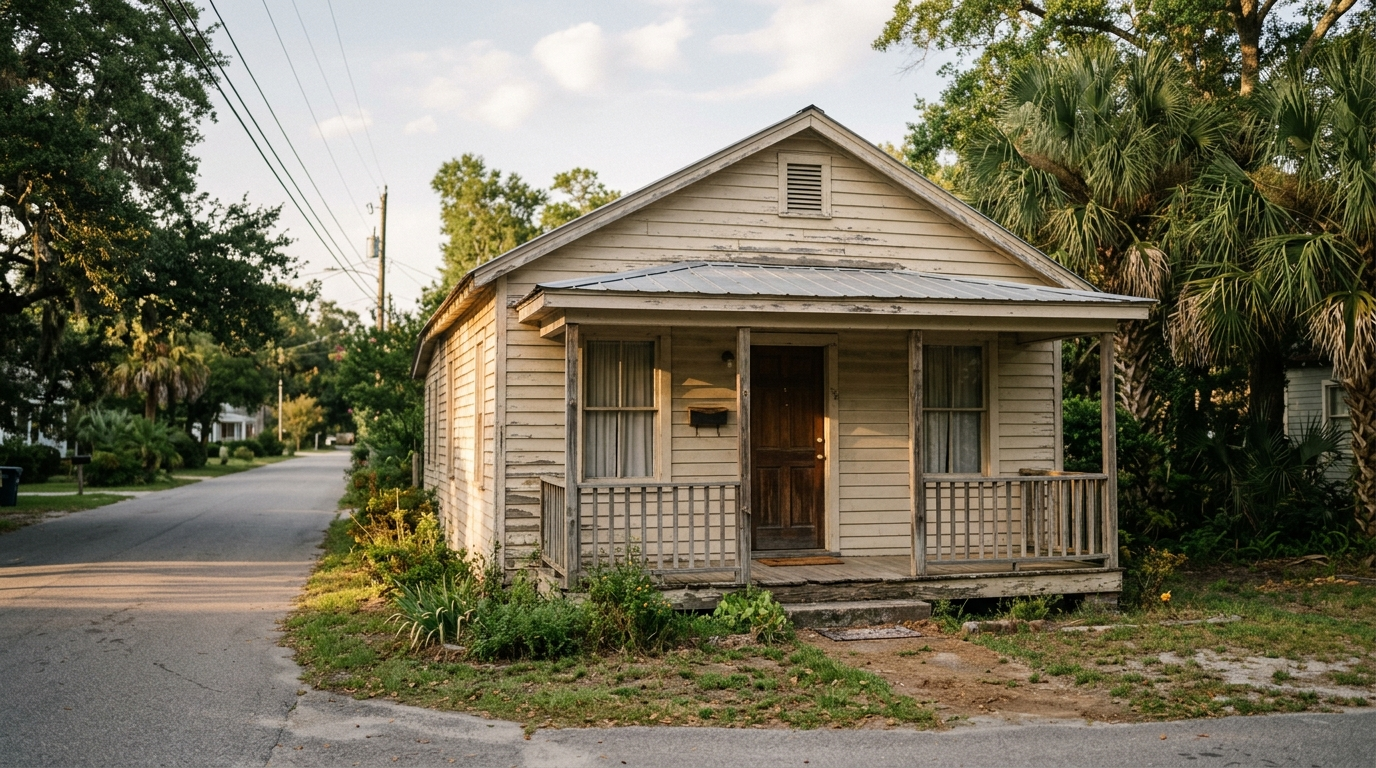
If you own a mobile home or manufactured home in South Carolina, standard homeowners insurance is not designed for you. The best mobile home insurance in South Carolina accounts for how these homes are built, how they sit on the land, and the specific weather threats along the Grand Strand and Pee Dee region. From hurricanes that roll in off the Atlantic to tornadoes that cut through Horry and Georgetown counties, your coverage needs to match the real risks you face here.
Mobile home insurance (sometimes called manufactured home insurance) covers the physical structure, your personal belongings, liability if someone is hurt on your property, and additional living expenses if you need to stay elsewhere after a covered loss. The policies look similar to homeowners insurance on the surface, but the underwriting is completely different, and not every carrier writes them.
Coverage options to know before you buy
When you shop for a mobile home policy in South Carolina, you will run into several coverage types. Understanding what each one does and what it does not do saves you from a surprise at claim time.
Dwelling coverage
Dwelling coverage pays to repair or replace the physical structure of your home after a covered peril such as fire, windstorm, or hail. Policies are typically written on an actual cash value (ACV) basis or a replacement cost value (RCV) basis. ACV deducts for depreciation, which can leave you significantly short on older homes. If your home is more than 10 years old, carriers may only offer ACV, so ask upfront what the depreciation schedule looks like.
Personal property coverage
Personal property coverage protects your furniture, clothing, electronics, and other belongings. Like dwelling coverage, it can be written ACV or RCV. South Carolina homeowners often underestimate how quickly personal property adds up. A basic contents inventory for an average manufactured home usually lands between $30,000 and $60,000 when you add everything up carefully.
Liability coverage
Liability coverage protects you if a guest is injured on your property or if you accidentally damage someone else's property. Most mobile home policies start at $100,000 in liability limits, but $300,000 is a better baseline for most families. A personal umbrella policy can stack additional protection on top at a relatively low cost.
Additional living expenses
Additional living expenses (ALE) coverage pays for a hotel, meals, and other costs if your home is uninhabitable after a covered loss. This matters especially on the coast, where a major storm can make your home unlivable for weeks or longer.
Other structures coverage
If you have a carport, storage shed, or attached awning, make sure the policy extends to those structures. Some carriers limit or exclude detached structures on mobile home policies, so read the schedule carefully.
What flood and hurricane coverage actually require
This is the section South Carolina mobile home owners most often skip, and it can be financially devastating.
Your mobile home policy almost certainly does not cover flood damage. Flood is a separate policy, almost always written through the National Flood Insurance Program (NFIP) or a private flood carrier. Horry County and surrounding coastal areas include a large number of Special Flood Hazard Areas (SFHAs), and even homes outside those zones can flood during a named storm or a heavy rain event on saturated ground. The average NFIP claim nationally runs around $52,000, yet many mobile home owners in the Myrtle Beach area carry no flood coverage at all.
Wind coverage is a separate concern. South Carolina law requires most admitted carriers to offer wind coverage, but mobile homes can present underwriting challenges because of their construction. Some carriers exclude wind entirely on older homes or homes in coastal zones, while others write it with a separate wind/hail deductible that can range from 1% to 5% of the insured value. On a $120,000 home, a 2% wind deductible means you pay the first $2,400 out of pocket before the carrier steps in. Knowing your deductible structure before a storm matters far more than finding out after one. For more on how South Carolina storms affect your coverage, our post on hurricane season in South Carolina walks through the details.
Cost factors that move your premium up or down
The cost of mobile home insurance in South Carolina varies widely, but most policyholders pay somewhere between $700 and $1,800 per year depending on several factors. Here is what drives the number.
- Age and condition of the home. Homes built before the 1976 HUD Code update and those built before 1994 wind-safety standards are harder to insure and cost more to cover. A newer double-wide built to current standards is a better risk in every carrier's model.
- Location. A home in a coastal community like Garden City or Surfside Beach carries more wind and flood exposure than one in Aynor or Loris. Proximity to a fire station and fire hydrant also affects the premium.
- Foundation type. Homes on a permanent foundation (pier and beam with tie-downs or a concrete perimeter) are more stable and often qualify for better rates than homes that are not permanently anchored.
- Coverage limits and deductibles. Higher deductibles lower your premium but shift more risk to you. A $2,500 deductible versus a $500 deductible might save $200 per year, but you need to be able to absorb that difference in a claim.
- Claims history. Prior claims on your record or on the property's loss history can raise your rate. In some cases, a prior claim can make a home hard to insure at standard rates at all.
- Bundling with other policies. Many carriers offer a meaningful discount when you bundle your mobile home insurance with your personal auto insurance. This alone can save $100 to $300 per year.
- Security and safety features. Smoke detectors, deadbolts, and monitored security systems can earn small discounts. Tie-down systems and hurricane straps matter more in coastal SC markets.
How South Carolina law and market conditions affect your options
South Carolina is one of a handful of states where the wind insurance market is particularly concentrated in coastal zones. The South Carolina Wind and Hail Underwriting Association (SCWHUA) exists specifically to provide wind and hail coverage to property owners in coastal counties who cannot find it in the standard market. Mobile home owners in Horry, Georgetown, and Colleton counties sometimes end up in the SCWHUA pool, and rates there reflect the higher risk.
South Carolina does not require lenders to mandate mobile home insurance the same way mortgage lenders require homeowners insurance, but if you finance your home through a chattel loan or a land-home package, your lender will almost certainly require you to carry coverage. If you own your home outright, insurance is technically optional, but skipping it in a coastal state where storms routinely cause six-figure damage is a significant financial gamble.
South Carolina also follows a "valued policy" statute for total losses in some circumstances, meaning that how your home is initially insured and documented matters considerably. Working with an agent who understands the SC market and keeps proper documentation can make a total-loss settlement far less complicated.
If you rent out a mobile home rather than living in it yourself, a standard mobile home policy will not cover you properly. You would need a landlord policy or a rental dwelling policy designed for investment properties, with liability and loss-of-rent coverage built in.
Common gaps that catch mobile home owners off guard
Even policyholders who do carry mobile home insurance are sometimes surprised to learn what is not covered. A few of the most common gaps worth addressing:
- Flood, as noted above. No standard mobile home policy covers rising water from a storm surge or overflowing creek. You need a separate flood policy.
- Earthquake. South Carolina sits near the New Madrid Seismic Zone and has its own intraplate seismic activity near Charleston. Earthquake damage is excluded from standard policies. If you want it, you add it as an endorsement or a separate policy. See the earthquake coverage page for details.
- Sewer backup. Water that comes in from a backed-up drain or sewer line is not covered by standard policies or by flood policies. You can usually add a sewer backup endorsement for $50 to $100 per year.
- Vacant homes. If you leave your mobile home vacant for 30 to 60 days or longer (as seasonal coastal property owners sometimes do), your policy may restrict or deny coverage. Carriers view vacant homes as higher risk. A vacant property policy is the right tool for that situation.
- Mold and rot. Gradual damage from moisture, mold, and rot is generally excluded. Insurance covers sudden and accidental losses, not slow deterioration.
Why working with an independent agent matters here
Mobile home insurance is a specialty market. Not every carrier writes it, and rates vary considerably from one company to the next for the exact same home. An independent agent can shop across multiple carriers at once and find the combination of price, coverage, and deductible structure that fits your situation, rather than defaulting to whatever one captive carrier offers.
At L. W. Short Insurance Agency , we are an independent agency serving mobile home and manufactured home owners across Horry County, Georgetown County, and the surrounding communities including Myrtle Beach, Conway, Pawleys Island, Garden City, and beyond. We compare options across the carriers we work with so you see real choices, not a single take-it-or-leave-it quote. Our team understands the specific flood zones, wind exposure, and underwriting quirks of this market because we live and work here too.
Whether you are buying your first manufactured home, refinancing and need to update your coverage, or just wondering if what you already have is still the right fit, we are here to walk through it with you. Call us at (843) 357-7493 or reach out through our contact page to get a no-pressure comparison started today.