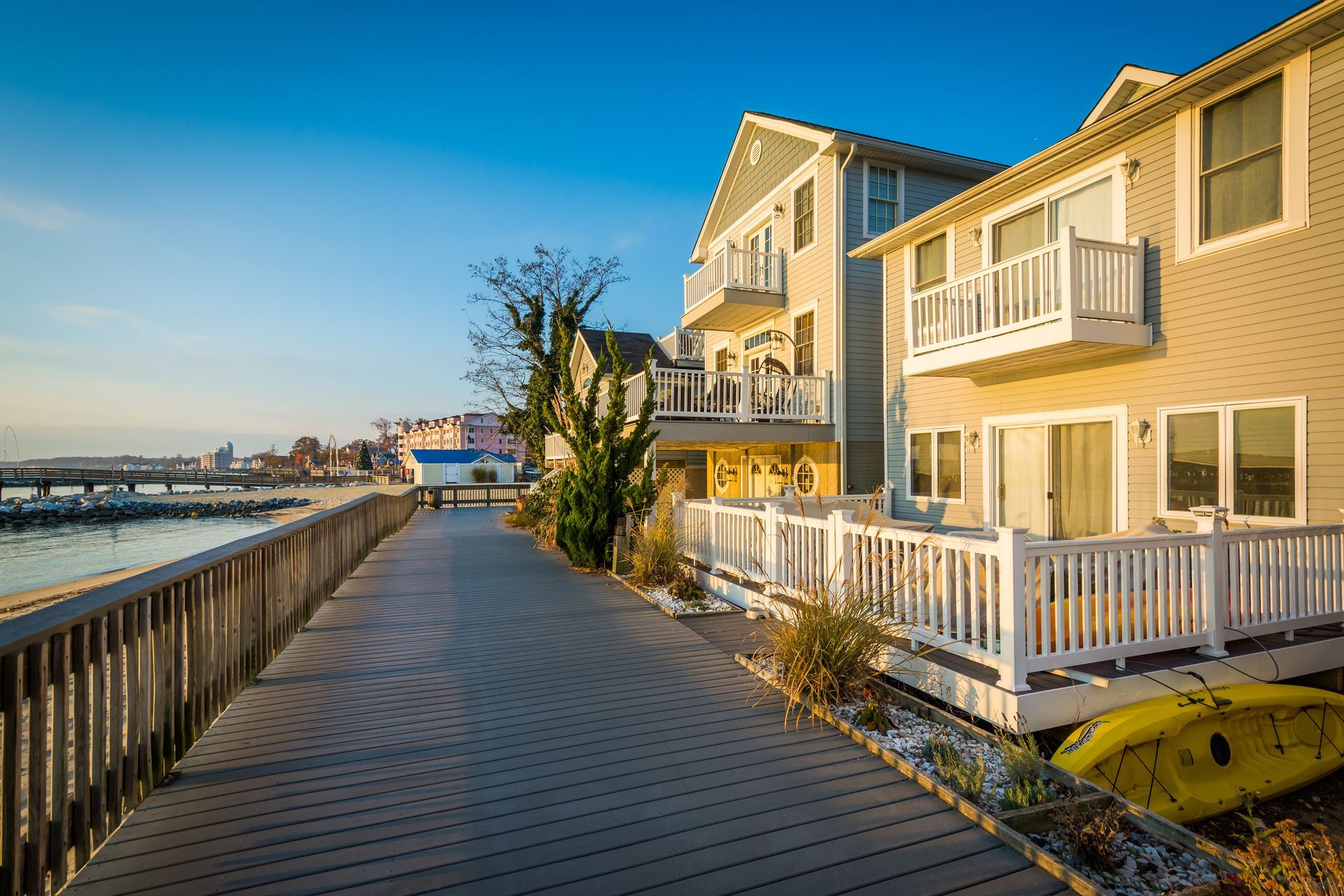
What landlord insurance in South Carolina actually covers
Landlord insurance in South Carolina is a separate policy category from standard homeowners insurance, and that distinction matters when a tenant's kitchen fire causes $40,000 in structural damage. A homeowners policy is designed for owner-occupied dwellings. The moment you rent that property to someone else, most carriers either void the coverage for loss-of-use claims or exclude liability arising from tenant activity altogether. A dedicated landlord policy, sometimes called a rental dwelling policy or DP-3, picks up where homeowners coverage leaves off.
A typical South Carolina landlord policy includes:
- Dwelling coverage pays to repair or rebuild the structure itself after a covered peril such as fire, wind, lightning, or vandalism.
- Other structures covers detached garages, fences, and storage sheds on the property.
- Landlord liability pays legal defense costs and judgments if a tenant or guest is injured on the property and you are found negligent. Limits of $300,000 or higher are common on coastal properties.
- Loss of rental income replaces the rent you cannot collect while a covered repair forces tenants to vacate. Most policies cover 12 months of lost income.
- Landlord personal property protects appliances, lawn equipment, or furnishings you leave on the premises for tenant use.
What a landlord policy does not cover is the tenant's belongings. That is the tenant's responsibility, and requiring renters to carry their own renters insurance is a practical lease requirement that reduces disputes after a loss.
Why the South Carolina coast creates unique risks for rental owners
Owning rental property along the Grand Strand, in Murrells Inlet, or near Pawleys Island comes with a weather risk profile that most inland states do not face. South Carolina averages a direct or near-direct hurricane threat every few years, and tropical systems routinely push storm surge well inland through the Intracoastal Waterway. The combination of wind, rain, and flooding can total a single-family rental in a matter of hours.
Three specific hazards deserve attention:
- Named-storm deductibles. Most South Carolina coastal policies apply a separate hurricane or named-storm deductible, typically 2% to 5% of the insured dwelling value , rather than a flat dollar amount. On a rental insured for $300,000, that is a $6,000 to $15,000 out-of-pocket exposure before the policy pays anything.
- Flood is excluded by default. Standard landlord policies do not pay for flood damage. The storm surge that enters the ground floor of your rental is not a covered peril unless you have a separate flood policy through the National Flood Insurance Program (NFIP) or a private flood carrier.
- Wind and hail claim volume. The South Carolina Department of Insurance regularly sees elevated wind and hail claim frequencies along the coast. Some carriers have tightened underwriting or pulled out of certain coastal zip codes entirely, which is why having an independent agent who can access multiple markets matters.
If you own rental property anywhere in Horry or Georgetown counties, treat flood insurance as a required line item, not an optional add-on. For a closer look at how hurricane coverage works here, the post on hurricane season coverage in South Carolina is worth reading before your next renewal.
Flood insurance for rental properties: what landlords need to know
Flood coverage for a rental property works differently than personal flood insurance, and the distinction trips up many landlords. If your rental sits in a Special Flood Hazard Area (SFHA, also called a Zone A or AE on FEMA flood maps), your mortgage lender almost certainly requires flood insurance. Even outside a designated flood zone, ground-level flooding from heavy rainfall, poor drainage, or storm surge can reach properties that the maps never flagged.
Under the NFIP, a Residential Building Policy on a non-owner-occupied rental can be written for up to $250,000 in building coverage. That limit has not changed in years, and construction costs along the South Carolina coast have climbed sharply since 2020. Many landlords find NFIP limits insufficient and supplement with excess flood coverage from private carriers.
Private flood policies have advantages: faster underwriting, broader coverage triggers, replacement cost on contents, and limits well above the NFIP cap. The tradeoff is that pricing can swing more after a bad storm season. An independent agent can run both NFIP and private flood options side by side so you can make an informed comparison rather than defaulting to whatever the bank required at closing.
The post on flood insurance essentials for South Carolina property owners covers the NFIP basics in plain language and is a helpful starting point.
Short-term vs. long-term rental coverage: they are not the same
This is one of the most common coverage gaps the team at L. W. Short Insurance Agency sees. A landlord buys a rental dwelling policy for a property, then decides to list it on a short-term rental platform during the off-season. The standard landlord policy may exclude or severely limit coverage during short-term rental periods because the guest turnover and liability exposure differ substantially from a 12-month lease.
South Carolina's Grand Strand is one of the most active short-term rental markets in the Southeast. If you rent through Airbnb, VRBO, or a vacation rental management company, you need a policy that specifically contemplates short-term occupancy. Some carriers offer endorsements to a landlord policy; others require a standalone short-term rental policy. For properties that serve as both a seasonal residence and a short-term rental, the coverage structure gets more nuanced still.
For a full breakdown of how short-term rental policies work in this market, see the post on short-term rental insurance on the South Carolina Grand Strand. It covers the major carriers writing this coverage, how platform host guarantees fall short, and what a real policy needs to include.
How much does landlord insurance cost in South Carolina
There is no single answer, but the cost drivers are straightforward. Based on the market conditions an independent agent sees across carriers writing South Carolina business, here are the variables that matter most:
- Location relative to the coast. A rental in Myrtle Beach within a mile of the ocean will cost meaningfully more than one in Conway 20 miles inland, because wind exposure and hurricane deductible modeling differ sharply.
- Construction type and age. Frame construction costs more to insure than masonry. Older roofs (15+ years) often carry surcharges or require actual cash value settlement rather than replacement cost.
- Dwelling replacement cost. Most carriers base the dwelling limit on a cost-to-rebuild estimate, not market value. With current labor and material costs in South Carolina, rebuilding a 1,500-square-foot rental might cost $180 to $240 per square foot , so under-insuring is an easy and expensive mistake.
- Liability limit selected. Stepping up from $100,000 to $300,000 in liability coverage typically adds only $20 to $40 per year. It is almost always worth it.
- Claims history. Prior water or fire claims on the property affect underwriting across most carriers. A clean loss history keeps more options open.
- Flood and wind as separate lines. When budgeting the total cost of insurance on a rental, add flood and any excess wind premiums to the base landlord policy. The full picture is what matters for your return on investment calculation.
A rough ballpark for a standard landlord policy (excluding flood) on a coastal South Carolina rental runs $1,200 to $2,500 per year , with properties in high-risk flood zones or with older roofs running higher. Adding NFIP flood coverage can push the total annual insurance cost to $3,000 to $5,000+ depending on the flood zone and coverage limits selected.
Structuring your coverage: tips to avoid common landlord mistakes
After years of working with rental property owners across Horry and Georgetown counties, certain coverage mistakes come up repeatedly. Here are the ones that cause the most financial pain:
- Insuring at market value instead of replacement cost. The market value of your rental includes land, location, and demand. The replacement cost covers only what it costs to rebuild the structure. Always insure to replacement cost to avoid an underinsurance penalty at claim time.
- Skipping loss of rental income coverage. If a hurricane makes your rental uninhabitable for four months, you need that income replacement. Most landlord policies include it, but limits vary. Make sure the limit reflects actual monthly rent, not a default figure.
- Assuming the LLC protects you from everything. Some landlords hold properties in an LLC and assume that removes personal liability exposure. It helps, but an LLC does not eliminate the need for adequate liability limits on the policy itself. Courts can pierce the corporate veil under certain circumstances, and defense costs alone can be devastating.
- Not reviewing coverage after a renovation. If you added a screened porch, updated the kitchen, or replaced the roof, your replacement cost has changed. A policy that was adequate two years ago may now leave you underinsured.
- Forgetting vacant property rules. If a rental sits vacant for 30 to 60 days (the threshold varies by carrier), many policies restrict or suspend coverage. If you are between tenants or doing a major renovation, you may need a vacant property policy to bridge that gap.
One more: do not rely on umbrella coverage to compensate for weak underlying limits. A personal umbrella requires underlying policies to be in force and in good standing. Getting the base landlord policy right is the foundation everything else builds on. More information on umbrella options for rental owners is available on the personal umbrella insurance page.
Get the right landlord insurance from an independent agent who knows this market
L. W. Short Insurance Agency is an independent agency serving rental property owners across Myrtle Beach, the Grand Strand, Conway, Georgetown, and the surrounding communities. As an independent agency, the team shops your rental property coverage across multiple carriers rather than being locked into a single company's rates and underwriting rules. That flexibility matters on the South Carolina coast, where coverage availability and pricing can differ dramatically from one carrier to the next.
Whether you own a single vacation rental a block from the beach or a portfolio of long-term rentals spread across Horry County, the right policy structure makes a real difference when a storm rolls through or a tenant files a liability claim. Getting the coverage right up front is far less painful than discovering the gaps after a loss.
Call L. W. Short Insurance Agency at (843) 357-7493 or reach out through the contact page to get a landlord insurance review started. The team will compare options, walk through the numbers, and make sure your rental property is protected the way it should be.